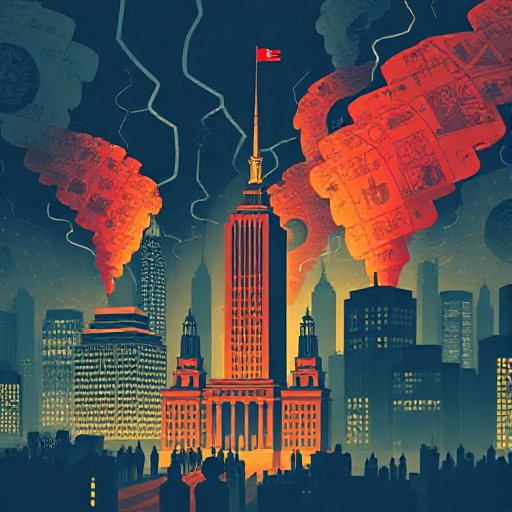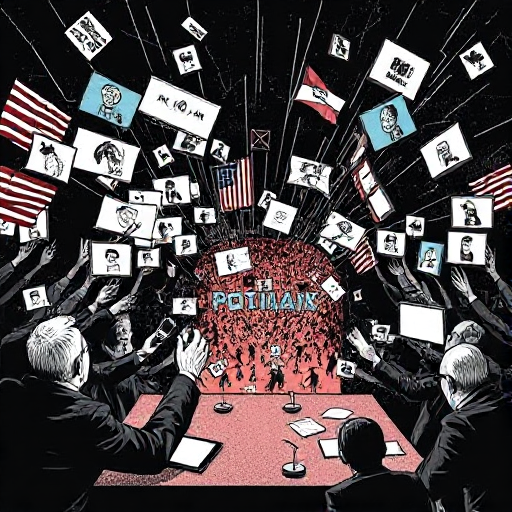
Whistleblower Revelations, Throughout history, whistleblowers have played a crucial role in exposing corruption, government misconduct, corporate fraud, and human rights violations. By leaking classified documents, revealing hidden truths, and challenging powerful institutions, these insider truth-tellers have reshaped public perception, ignited legal reforms, and, in some cases, put their own lives at risk.
Despite the whistleblower protection laws in place today, many whistleblowers face retaliation, legal battles, and personal hardships for their courage. However, their actions have changed the course of history, forcing transparency and accountability where secrecy once thrived.
Here, we explore five of the most shocking whistleblower exposés that rocked governments, corporations, and entire industries, leaving an undeniable impact on the world.
1. The Pentagon Papers: Exposing U.S. Government Lies About Vietnam
Whistleblower: Daniel Ellsberg (1971)
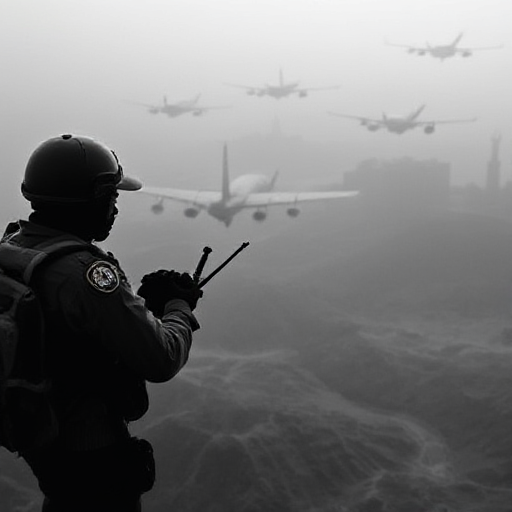
One of the most famous government leaks in U.S. history, the Pentagon Papers exposed decades of government deception about the Vietnam War. Daniel Ellsberg, a former military analyst working for the RAND Corporation, leaked 7,000 pages of classified documents revealing that multiple U.S. administrations had misled the public and Congress about the war’s progress and justification.
Key Revelations:
- The U.S. government knew the war was unwinnable but continued to escalate troop deployments.
- Secret bombing campaigns were conducted in Cambodia and Laos, which were never publicly disclosed.
- Presidents from Truman to Nixon systematically misled the American public about the war’s scope and success.
Impact:
- The leaks intensified anti-war protests and eroded public trust in the U.S. government.
- The Nixon administration attempted to discredit and silence Ellsberg, even breaking into his psychiatrist’s office.
- The Supreme Court ruled against government censorship, strengthening press freedom.
Ellsberg was charged under the Espionage Act, but a mistrial led to his charges being dropped. His actions paved the way for future whistleblower protection laws and set a precedent for press freedom in handling classified leaks.
2. Edward Snowden and the NSA Mass Surveillance Scandal
Whistleblower: Edward Snowden (2013)
In one of the most explosive classified document leaks of the 21st century, Edward Snowden, a former NSA contractor, revealed the mass surveillance programs conducted by the U.S. government. Leaking thousands of classified documents to journalists, Snowden exposed how the NSA was spying on American citizens, world leaders, and foreign governments without public knowledge.
Key Revelations:
- The NSA collected phone records of millions of Americans without warrants.
- The agency spied on world leaders, including German Chancellor Angela Merkel.
- Programs like PRISM allowed the NSA to tap into private data from Google, Facebook, Apple, and Microsoft.
Impact:
- Led to major global debates on privacy rights and government surveillance.
- Forced tech giants to improve encryption and user data protections.
- The U.S. government charged Snowden under the Espionage Act, forcing him into exile in Russia.
Snowden’s leaks reshaped digital privacy laws and made millions aware of the extent of government surveillance. His actions inspired new conversations about whistleblower protection laws, although he remains a fugitive from U.S. authorities.

3. The Watergate Scandal: Bringing Down a U.S. President
Whistleblower: Mark Felt (“Deep Throat”) (1972)
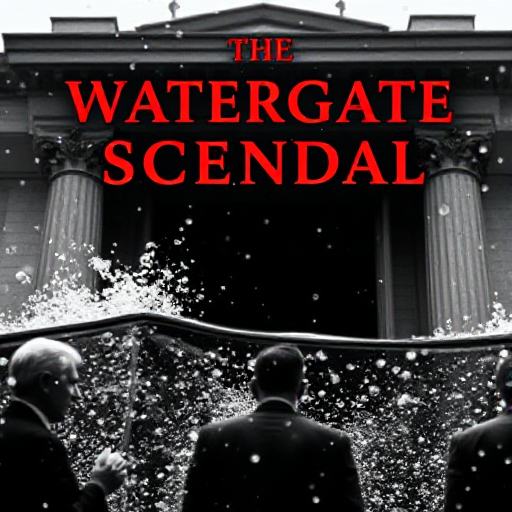
The Watergate scandal remains one of the most infamous cases of political corruption in U.S. history. The scandal began when five burglars were caught breaking into the Democratic National Committee headquarters at the Watergate complex.
Mark Felt, the second-in-command at the FBI, acted as an anonymous informant (“Deep Throat”) for Washington Post journalists Bob Woodward and Carl Bernstein, guiding them to the truth behind the break-in.
Key Revelations:
- The break-in was orchestrated by President Richard Nixon’s re-election campaign.
- Nixon’s administration engaged in illegal surveillance, bribery, and cover-ups.
- Nixon abused presidential power by trying to obstruct justice and silence investigations.
Impact:
- Led to Nixon’s resignation in 1974, the only U.S. president to resign from office.
- Prompted major reforms in campaign finance laws and government accountability.
- Inspired stronger whistleblower protections to encourage government employees to report misconduct.
For decades, Felt’s identity remained a secret until he revealed himself in 2005. His leaks changed the course of American politics, reinforcing the importance of investigative journalism.
4. Frances Haugen vs. Facebook: Unmasking the Harm of Social Media
Whistleblower: Frances Haugen (2021)
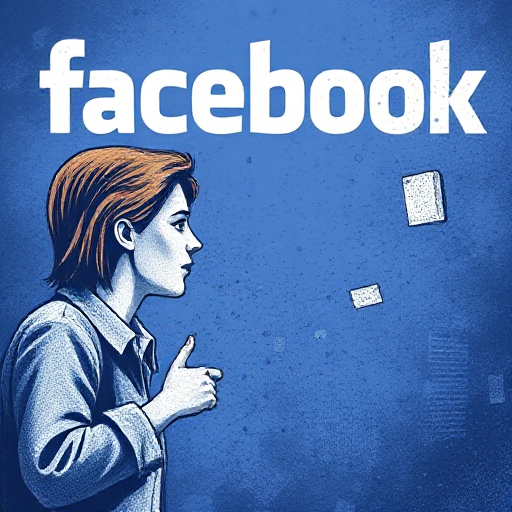
In one of the biggest corporate whistleblower cases, Frances Haugen, a former Facebook data scientist, leaked thousands of internal documents exposing how Facebook (now Meta) prioritized profit over user safety.
Key Revelations:
- Facebook’s algorithms promoted divisive and harmful content to increase engagement.
- Instagram research showed it harmed teenage mental health, increasing anxiety and depression.
- The company ignored its own data about how misinformation spread on the platform.
Impact:
- Sparked global debates on tech regulation and platform responsibility.
- Led to U.S. congressional hearings on social media ethics and mental health impacts.
- Increased calls for algorithm transparency and whistleblower protections in Big Tech.
Haugen’s leaks pressured Facebook to reconsider its policies, though significant regulatory actions are still unfolding.
5. The Panama Papers: Exposing Global Tax Evasion
Whistleblower: Anonymous Source (2016)
The Panama Papers were one of the most explosive financial leaks in history, revealing how politicians, billionaires, and corporations used offshore tax havens to hide their wealth.
Over 11.5 million leaked documents from the Panamanian law firm Mossack Fonseca exposed global tax evasion and money laundering schemes.
Key Revelations:
- World leaders, including Vladimir Putin, the King of Saudi Arabia, and the Prime Ministers of Iceland and Pakistan, had hidden offshore accounts.
- Celebrities, corporations, and criminal organizations used shell companies to evade taxes.
- Billions of dollars were funneled into secret financial networks, avoiding regulation.
Impact:
- Led to criminal investigations and resignations of high-profile leaders.
- Forced governments to crack down on tax havens and increase financial transparency.
- Fueled public outrage over income inequality and corruption.
The whistleblower behind the leak remains anonymous, citing concerns for their safety. The Panama Papers continue to influence global tax policies today.
The Price of Truth: Whistleblower Protection and Retaliation
Despite their contributions to justice and transparency, whistleblowers often face severe consequences for their actions. Many have been fired, sued, arrested, or forced into exile. Laws like the Whistleblower Protection Act (U.S.) and similar laws in Europe aim to shield whistleblowers, but retaliation remains a serious issue.
Common Challenges Whistleblowers Face:
- Legal prosecution under the Espionage Act or corporate lawsuits
- Loss of employment and financial hardship
- Threats to personal safety and reputation attacks
Some famous whistleblowers, like Snowden and Assange, remain in exile or facing legal battles, proving that speaking truth to power comes with a heavy price.
Final Thoughts: The Power of Whistleblowing
Whistleblowers change history by exposing corruption, injustice, and wrongdoing. From government scandals to corporate greed, their courage forces accountability and drives systemic change. However, their stories also highlight the risks that come with challenging powerful institutions.
As more whistleblower protection laws emerge, society must continue to support and safeguard those who reveal the truth, ensuring that justice prevails over secrecy.
Would you take the risk if you uncovered a major scandal? History shows that whistleblowers shape the world—but often at a great personal cost.
If you want to read more: CLICK HERE