
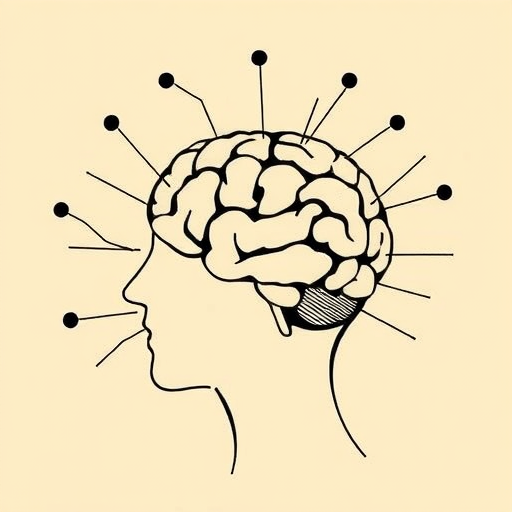
Behavioral conditioning is a psychological concept that explores how actions, habits, and decisions are shaped by external stimuli and reinforcement. From childhood learning to consumer habits, conditioning techniques play a powerful role in influencing behavior. Originating from groundbreaking research by psychologists such as Ivan Pavlov and B.F. Skinner, these methods explain much of the decision-making we see in everyday life, from personal habits to mass societal trends.
In this article, we’ll examine five primary techniques of behavioral conditioning that shape human actions. We’ll explore how these methods are applied in marketing, education, politics, and media, discussing their implications for autonomy, decision-making, and social behavior, Behavioral Conditioning.
1. Classical Conditioning: Associating Stimuli
Classical conditioning, pioneered by Ivan Pavlov, is one of the foundational theories in behavioral psychology. This technique involves learning through association, where a neutral stimulus is paired with a significant one to elicit a specific response. Pavlov’s famous experiment with dogs demonstrated how the sound of a bell, when consistently paired with food, could trigger salivation even in the absence of food.
In behavioral conditioning in everyday life, classical conditioning is common in advertising and branding. Companies use music, imagery, and slogans to associate positive emotions with their products. For instance, a perfume commercial might feature attractive people, romantic scenes, and luxurious settings to create a positive emotional connection between the viewer and the product. Over time, consumers may develop a preference for the brand simply due to these positive associations, Behavioral Conditioning.
Behavioral manipulation through media also leverages classical conditioning. Repeated exposure to specific narratives or imagery can shape public perceptions. For example, associating certain social groups with negative stereotypes through consistent portrayal in news or entertainment influences societal biases and attitudes, Behavioral Conditioning.
2. Operant Conditioning: Reinforcement and Punishment
B.F. Skinner expanded the field of conditioning with his research on operant conditioning, a technique where behavior is influenced by the consequences that follow it. Positive reinforcement involves rewarding a behavior to increase its occurrence, while negative reinforcement removes an unpleasant stimulus to encourage the behavior. Punishment, by contrast, aims to reduce undesirable actions through negative consequences.
Methods of behavior control through conditioning based on operant techniques are widely used in parenting, education, and workplaces. For example, a teacher might use a reward system, such as giving gold stars or extra recess time for completed assignments, to encourage students to stay on task. Similarly, employers offer bonuses or promotions to reinforce productivity and penalize tardiness with warnings or salary deductions.
Operant conditioning also plays a significant role in behavioral manipulation through media and technology. Social media platforms use reinforcement to keep users engaged. Notifications, likes, and comments serve as rewards, creating dopamine-driven feedback loops that encourage more frequent use. On the flip side, the fear of missing out (FOMO) or negative feedback can condition avoidance behavior, Behavioral Conditioning.

3. Social Conditioning: Influence of Society and Culture
Social conditioning refers to how society’s norms, values, and expectations shape individual behavior. Unlike classical or operant conditioning, social conditioning operates through indirect reinforcement, such as social approval or disapproval. Cultural practices, traditions, and media representations condition individuals to conform to societal standards.
Examples of behavioral conditioning in society include gender roles and beauty standards. From a young age, individuals are exposed to messages about what constitutes appropriate behavior for men and women. Toys aimed at boys often highlight action and adventure, whereas those targeted at girls tend to emphasize caregiving and appearance. These repeated associations influence self-perception and life choices.
Media plays a significant role in social conditioning by reinforcing stereotypes and norms. The portrayal of wealth and success in films and advertisements often conditions viewers to equate materialism with happiness. Behavioral manipulation through media in this context can drive consumerism and social conformity, affecting decisions from purchasing habits to lifestyle choices.
4. Cognitive Conditioning: Shaping Thought Patterns
Cognitive conditioning focuses on the mental processes underlying behavior. It involves reinforcing certain beliefs, attitudes, or perceptions that influence how people interpret and respond to their environment. Cognitive biases, such as confirmation bias (favoring information that aligns with existing beliefs), are often reinforced through repeated exposure to specific ideas or framing techniques.
In behavioral conditioning in everyday life, cognitive conditioning is prevalent in political messaging and advertising. Politicians use repetitive slogans and emotionally charged language to shape public opinion. For example, associating patriotism with specific policy stances reinforces support by triggering a sense of national pride.
Advertising campaigns that emphasize scarcity (“Limited-time offer!”) . This type of cognitive conditioning exploits loss aversion, a psychological tendency to prioritize avoiding losses over acquiring gains, influencing buying decisions and spending habits.
5. Observational Learning: Modeling and Imitation
Observational learning, also known as modeling, occurs when individuals acquire new behaviors, skills, or attitudes by observing and imitating the actions of others, rather than through direct experience or explicit instruction. This form of conditioning was demonstrated by Albert Bandura’s Bobo doll experiment, where children exposed to aggressive role models were more likely to imitate aggressive behavior themselves. Observational learning highlights how actions, rather than direct reinforcement, condition future behavior.
The impact of conditioning on decision-making is evident in the influence of celebrities, influencers, and peer groups. Social media platforms are powerful examples of observational learning in action. Users adopt trends, behaviors, and even political viewpoints based on what they observe from influential figures or popular content.
Peer pressure is another form of observational conditioning. In schools or social groups, individuals may mimic behaviors to gain acceptance or avoid ridicule. This dynamic can reinforce both positive and negative behaviors, from adopting healthy habits to engaging in risky activities.

The Impact of Behavioral Conditioning on Society
The widespread application of behavioral conditioning raises important ethical questions. While conditioning can be a powerful tool for learning and habit formation, it also presents risks when used for manipulation. Behavioral manipulation through media, targeted advertising, and persuasive technology exploit psychological principles to influence decisions without explicit consent. This blurs the line between persuasion and coercion, challenging individual autonomy.
Conditioning techniques also contribute to systemic issues. For example, reinforcing stereotypes through media representation perpetuates inequality, while consumer culture driven by advertising can lead to unsustainable economic practices. Understanding the mechanisms behind conditioning empowers individuals to recognize when their actions are being influenced and make more conscious choices.
Conclusion
Behavioral conditioning shapes human actions in profound ways, from the rewards and punishments that guide everyday habits to the subtle social cues that influence societal norms. By examining classical conditioning, operant conditioning, social conditioning, cognitive conditioning, and observational learning, we gain insight into how behaviors are molded. Recognizing these techniques helps individuals become more aware of external influences, promoting greater agency in decision-making and a more critical approach to media consumption and social expectations.
If you want to read more: CLICK HERE