

The Health Freedom Movement has been steadily gaining traction in recent years, fueled by a complex mix of societal, medical, and philosophical factors. This growing movement champions individual rights in healthcare, advocating for autonomy and freedom of choice in medical decisions. As debates surrounding personal health grow louder, the movement has emerged as a major force, sparking conversations across the globe.
This article dives deep into the reasons behind the increasing popularity of the Health Freedom Movement and explores its impact on healthcare systems, societal norms, and individual rights.
1. A Pushback Against Mandatory Healthcare Policies
One of the key driving forces behind the Health Freedom Movement is its resistance to mandatory healthcare policies. Many people feel that mandatory vaccination programs and other one-size-fits-all healthcare regulations undermine personal autonomy.
For anti-mandatory vaccination advocates, the central issue is the right to decide what goes into their bodies. They argue that such mandates often neglect individual circumstances and personal beliefs. This pushback stems from the fear of losing control over medical decisions and the desire to uphold freedom of medical choice.
This resistance has only grown in light of recent global health crises, which saw governments enforcing strict mandates. These measures, while intended to protect public health, have sparked concerns about overreach and the erosion of personal freedoms.

2. Rising Awareness of Medical Autonomy
The Health Freedom Movement is heavily centered on the idea of personal autonomy in healthcare. At its core, this movement highlights the individual’s right to choose or refuse medical treatments without external pressure.
The health autonomy debate focuses on empowering individuals to make informed decisions about their health. Advocates believe that the patient, rather than the state or pharmaceutical companies, should be the ultimate authority in their healthcare journey.
This growing awareness of medical autonomy has fueled grassroots health movements, which aim to educate the public about their rights and options. These movements emphasize informed consent, transparency, and respect for diverse medical perspectives.

3. Distrust in Pharmaceutical Companies and Healthcare Systems
Distrust in large pharmaceutical companies and healthcare institutions has played a significant role in the rise of the Health Freedom Movement. Many people perceive these entities as profit-driven organizations that prioritize financial gain over patient welfare.
Concerns about the influence of pharmaceutical companies on medical policies and practices have fueled skepticism. Critics argue that these companies often shape public health guidelines to align with their financial interests, rather than prioritizing individual well-being.
This distrust has led many to turn to alternative healthcare solutions and embrace the principles of freedom of medical choice. The Health Freedom Movement provides a platform for individuals to question mainstream healthcare narratives and explore alternative paths to wellness.
4. The Role of Grassroots Health Movements
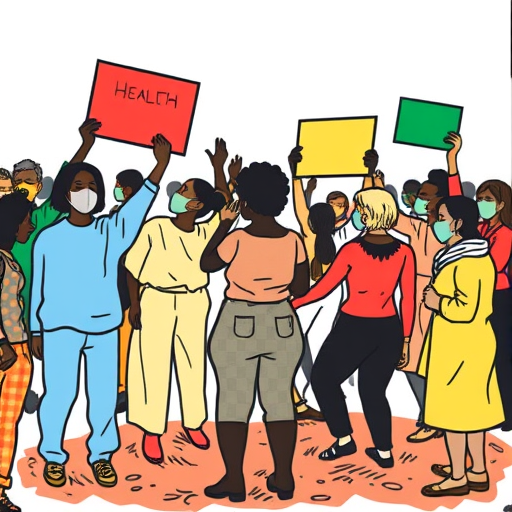
Grassroots health movements have been instrumental in spreading the message of the Health Freedom Movement. These community-driven efforts empower individuals to challenge conventional healthcare norms and advocate for change at a local level.
Grassroots movements often use social media, local gatherings, and educational campaigns to raise awareness about health autonomy and personal choice in healthcare. They provide a voice for those who feel marginalized or overlooked by the mainstream medical establishment.
By fostering a sense of community and shared purpose, these movements have played a pivotal role in increasing the popularity of the Health Freedom Movement.
5. The Impact of Social Media and Digital Platforms
The rise of social media has given the Health Freedom Movement a powerful platform to reach millions of people worldwide. Digital platforms have enabled advocates to share their perspectives, connect with like-minded individuals, and challenge dominant healthcare narratives.
Social media has also allowed anti-mandatory vaccination advocates and other supporters to organize events, share resources, and amplify their voices. The accessibility of these platforms has democratized information, empowering individuals to question mainstream narratives and explore alternative viewpoints.
However, the movement’s growing online presence has also sparked controversy, with critics accusing it of spreading misinformation. Despite this, social media remains a driving force behind the movement’s rapid growth.
6. Increasing Demand for Personalized Healthcare
As people become more aware of their unique health needs, the demand for personalized healthcare solutions has grown. The Health Freedom Movement aligns with this trend by advocating for tailored approaches to medical care.
Supporters believe that healthcare decisions should consider an individual’s genetic, environmental, and lifestyle factors, rather than relying on blanket policies. This perspective challenges the traditional “one-size-fits-all” approach to healthcare, emphasizing the importance of personal choice in healthcare.
This shift toward personalized healthcare has resonated with many individuals, further fueling the movement’s popularity.
7. Ethical Concerns About Bodily Autonomy
The ethical principle of bodily autonomy is a cornerstone of the Health Freedom Movement. This principle asserts that individuals have the right to make decisions about their own bodies without coercion or interference.
For many, the health autonomy debate is about more than just medical decisions—it’s about protecting fundamental human rights. The movement’s emphasis on bodily autonomy has attracted a diverse range of supporters, including civil liberties advocates, ethical philosophers, and concerned citizens.
By framing healthcare as a matter of personal ethics, the Health Freedom Movement has gained widespread appeal and legitimacy.
8. Rising Interest in Natural and Holistic Health Practices
The growing interest in natural and holistic health practices has also contributed to the rise of the Health Freedom Movement. Many individuals are turning to alternative therapies, such as herbal medicine, acupuncture, and nutrition-based healing, as complements or substitutes for conventional treatments.
Supporters of the movement often view these practices as a way to take control of their health and reduce dependence on pharmaceutical interventions. This aligns with the movement’s broader goal of promoting freedom of medical choice and empowering individuals to explore diverse paths to wellness.
The popularity of natural and holistic health practices has created a strong synergy with the Health Freedom Movement, amplifying its reach and influence.
9. Cultural Shifts Toward Individualism
Cultural shifts toward individualism have also played a role in the rising popularity of the Health Freedom Movement. In an era where personal rights and freedoms are highly valued, many people are seeking greater control over their healthcare decisions.
This cultural shift has encouraged individuals to question traditional authority figures, including doctors, governments, and pharmaceutical companies. The movement’s emphasis on personal choice in healthcare resonates deeply with this individualistic ethos, making it a natural fit for those who prioritize autonomy and self-determination.
The Future of the Health Freedom Movement
As the Health Freedom Movement continues to grow, its influence on healthcare systems and societal norms is becoming increasingly evident. The movement’s emphasis on autonomy, personal choice, and transparency has sparked important conversations about the future of healthcare.
While critics argue that the movement’s rhetoric can sometimes undermine public health efforts, its supporters see it as a necessary counterbalance to centralized control and mandatory policies. The Health Freedom Movement challenges the status quo, encouraging individuals to take an active role in their health and advocate for their rights.
Looking ahead, the movement is likely to face ongoing debates and challenges. However, its core principles of personal freedom and informed choice will continue to resonate with those seeking a more individualized approach to healthcare.
Conclusion
The Health Freedom Movement is more than just a reaction to mandatory healthcare policies—it’s a profound shift in how people view their rights, responsibilities, and roles in their own health. From resisting mandates to advocating for personalized care, this movement champions the idea that individuals should have the final say in their medical decisions.
As the movement gains momentum, it will undoubtedly shape the future of healthcare, inspiring both support and opposition along the way. Whether you’re a staunch supporter or a skeptical observer, one thing is clear: the Health Freedom Movement is here to stay, and its impact will be felt for years to come.
If you want to read more: CLICK HERE