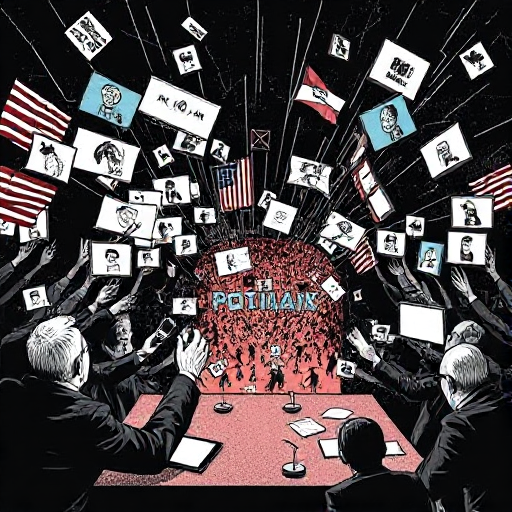
In a world where decisions at the highest levels shape the lives of billions, the idea of political puppetry isn’t new. Governments, politicians, and even influential organizations are often seen as actors on a stage, directed by forces behind the curtain. While democratic systems give the illusion of autonomy, hidden mechanisms operate in the background, subtly steering global agendas to benefit select groups or individuals.
This article explores the intricate world of political puppetry, revealing the hidden forces and strategies that influence governments, shape policies, and manipulate public opinion. From political influence tactics to media manipulation in politics, these mechanisms showcase how power is wielded in ways most people rarely see.
1. Lobbying and Policymaking
One of the most visible yet misunderstood mechanisms of political puppetry is lobbying. Lobbying involves individuals or groups influencing lawmakers to pass legislation favorable to their interests. While lobbying is often framed as a legitimate part of the political process, its hidden power dynamics reveal a much darker side.
How lobbying drives political puppetry:
- Financial Influence: Corporations and special interest groups funnel massive amounts of money into political campaigns, effectively buying access to decision-makers.
- Revolving Door Politics: Politicians often move into lucrative lobbying jobs after leaving office, creating a conflict of interest during their tenure.
- Policy Drafting: Lobbyists frequently draft bills or amendments that politicians simply introduce, giving external entities significant control over legislation.
Lobbying ensures that policymaking often prioritizes the interests of the wealthy and powerful over the needs of the general population, a hallmark of modern political puppetry.
2. Hidden Power Dynamics in International Relations
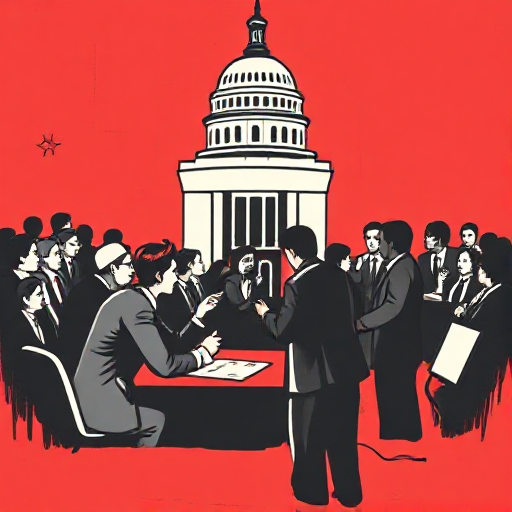
On the global stage, nations may appear to operate independently, but hidden power dynamics tell a different story. Powerful countries, multinational corporations, and shadowy organizations often pull the strings of smaller nations or even global institutions.
Key elements of hidden power dynamics:
- Economic Dependency: Loans and aid from organizations like the IMF or World Bank come with strings attached, forcing nations to adopt policies favorable to powerful stakeholders.
- Geopolitical Manipulation: Wealthier nations exert control over global trade routes, military alliances, and resource-rich regions, ensuring that their interests dominate.
- Covert Operations: Intelligence agencies and private actors engage in secret operations to destabilize governments or sway elections in ways that benefit their agenda.
These hidden dynamics reinforce political puppetry at the international level, with the most powerful entities controlling global narratives and outcomes.
3. Media Manipulation in Politics
In an era of 24/7 news cycles and social media, media manipulation in politics has become one of the most effective tools of political puppetry. Governments, corporations, and political organizations use the media to shape public opinion and divert attention from critical issues.
Tactics used in media manipulation:
- Framing and Bias: News outlets frame stories in ways that align with the agendas of their owners or advertisers, often prioritizing sensationalism over truth.
- Controlled Narratives: Certain topics or viewpoints are amplified, while dissenting opinions are suppressed or ignored entirely.
- Misinformation Campaigns: Deliberately false or misleading information is spread to confuse or manipulate the public.
- Social Media Algorithms: Platforms like Facebook and Twitter use algorithms that amplify divisive content, ensuring audiences remain engaged but often misinformed.
By controlling what people see, hear, and believe, political puppetry ensures the masses remain focused on manufactured distractions rather than challenging the true sources of power.
4. Political Propaganda Strategies
Propaganda is a cornerstone of political puppetry, used to influence public perception and maintain control over populations. Through carefully crafted messages, propaganda shapes beliefs, attitudes, and behaviors, often aligning them with the goals of those in power.
Common propaganda strategies:
- Emotional Appeals: Messages that evoke fear, hope, or anger are used to manipulate people into supporting specific agendas.
- Repetition: Repeated slogans or catchphrases reinforce ideas until they become ingrained in public consciousness.
- Scapegoating: Blaming a particular group or individual for societal problems diverts attention from systemic issues.
- Patriotism and Nationalism: Leaders often appeal to national pride to justify controversial policies or actions.
Propaganda thrives in environments where critical thinking is suppressed, making it an essential tool of political puppetry to maintain control over the masses.
5. The Role of Political Influence Tactics
While overt actions like lobbying and propaganda are well-known, subtle political influence tactics play an equally significant role in political puppetry. These behind-the-scenes maneuvers often involve psychological manipulation, strategic alliances, and even coercion to achieve desired outcomes.
Examples of political influence tactics:
- Astroturfing: Fake grassroots movements are created to give the illusion of widespread public support for specific policies or candidates.
- Elite Networking: Secretive meetings like those held by the Bilderberg Group or the World Economic Forum allow the global elite to align their interests behind closed doors.
- Soft Power: Cultural influence, education programs, and diplomatic pressure are used to sway opinions without overtly exerting force.
- Bribery and Corruption: Leaders are often swayed by financial incentives or threats, ensuring compliance with powerful entities.
These tactics reveal the depth of political puppetry, where influence is exerted subtly but with profound consequences.

How Political Puppetry Impacts Everyday Lives
The effects of political puppetry trickle down into nearly every aspect of daily life. From the prices of goods to the policies that govern education, healthcare, and employment, decisions made by unseen forces ultimately shape our realities. By understanding the mechanisms at play, citizens can begin to question narratives, demand transparency, and hold leaders accountable.
Conclusion
Political puppetry is not a conspiracy theory but a complex web of influence, manipulation, and control that operates behind the scenes of global politics. From lobbying and policymaking to media manipulation in politics, the hidden mechanisms explored in this article reveal how power is wielded far beyond the public eye.
Understanding these tactics is the first step in challenging them. By becoming aware of political propaganda strategies and questioning hidden power dynamics, individuals can take a stand against the forces that seek to control global agendas. While the stage may be set by those pulling the strings, it’s up to the audience to demand a new script—one rooted in transparency, accountability, and fairness.
If you want to read more: CLICK HERE